The Big Question
Let us ask you something directly.
You have been learning to code for weeks or months. You understand the basics. But now you are staring at a blank screen, unable to build anything. Every error message feels like a personal attack. You feel like you are not making progress. You think to yourself: "Should I quit? Am I just not cut out for this?"
We hear these questions every week from students who visit our center near Pitampura Metro.
Here is the honest answer: The feeling of being stuck is not a sign that something is wrong with you. It is a sign that you are in the difficult middle phase of learning. This is where most people give up. This is also where the people who succeed push through.
The best coders are not the ones who never struggle. They are the ones who figure out how to keep going when they do.
Let us talk about how.
Step 3: Why Burnout Happens
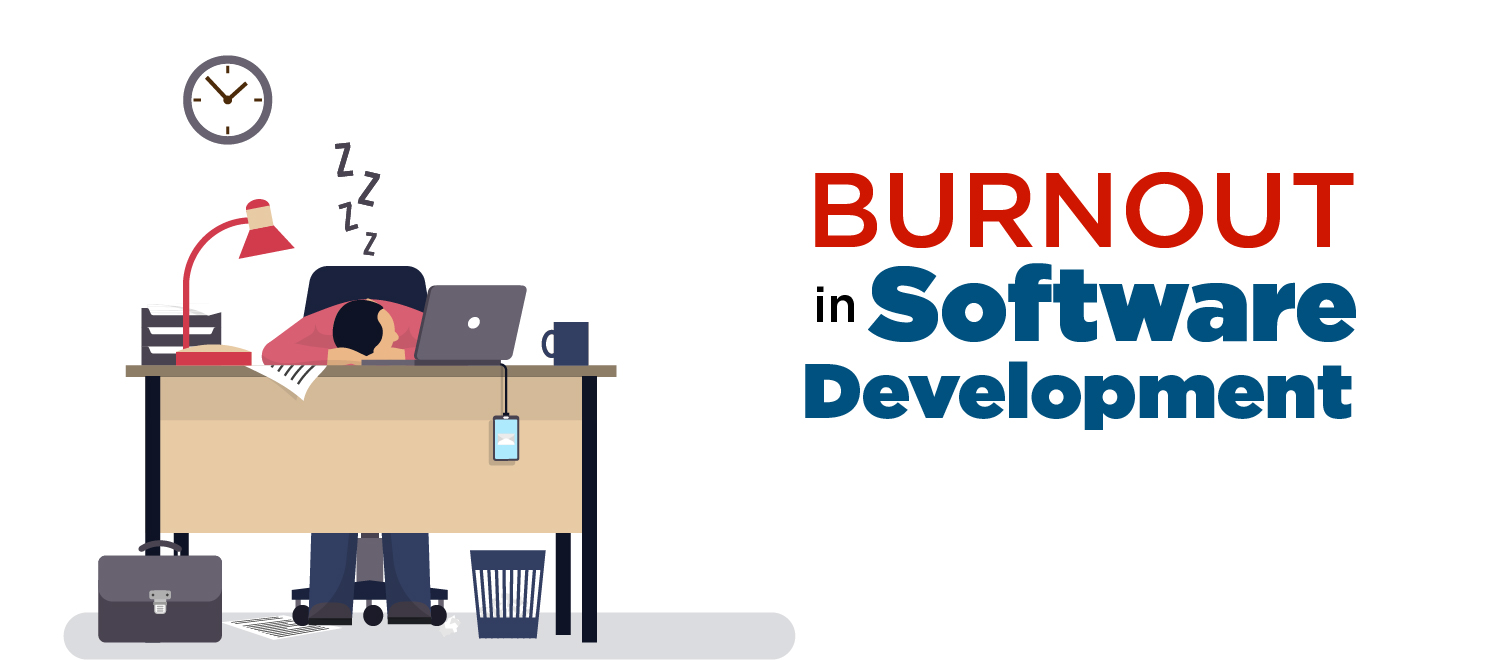
Burnout in programming comes from a combination of factors:
| Factor | Why It Causes Burnout |
|---|---|
| Tutorial Hell | You follow tutorials endlessly but never build anything on your own. You feel like you are learning, but you are actually just copying. |
| Imposter Syndrome | You compare yourself to others who seem to know everything. You think you are the only one who struggles. |
| The Desert of Despair | You understand syntax but cannot build anything real. You know what variables are, but building an application feels impossible. |
| Unrealistic Expectations | You expect it to be easier than it is. Nobody told you that frustration is part of the process. |
| Learning Alone | No one to ask questions or celebrate wins with. The experience is too lonely. |
The Truth at the Bottom:
People quit because they expected it to be easier. Not because they are not smart. Not because they are not talented. They quit because nobody told them upfront: this is going to be frustrating. You are going to feel stupid sometimes. There will be days when nothing works and you do not know why. That is normal.
Step 4: Strategy 1 – Build Projects, Not Tutorials
Tutorials are useful for learning concepts, but they are not enough.
What to Do Instead:
After every tutorial, close it. Try to rebuild the same project from memory. You will fail. That is the point. The struggle of trying to remember is where the actual learning happens.
Start with tiny projects:
-
A button that changes color when you click it
-
A card that flips on hover
-
A todo list with just add and delete
-
A simple calculator
Small wins build real skills.
The Key Insight:
When you follow a tutorial, your brain feels like it is learning, but it is actually just copying. The moment the instructor's hand disappears, so does your confidence . The only way to build real confidence is to build without a net.
Step 5: Strategy 2 – Compare Only to Your Past Self
It is easy to compare your chapter 1 to someone else's chapter 20.
What to Do Instead:
Compare yourself only to who you were last week.
-
Did you understand something today that confused you 7 days ago?
-
Did you write code without looking up the syntax?
-
Did you fix a bug on your own?
That is progress. That is the only progress that matters.
The Reality Check:
The person who got a job in "6 months" had often been coding casually for 2 years before that. The 19-year-old who shipped their SaaS app has been building apps since they were 14. The beautiful portfolio took 4 months to build and 12 redesigns.
You are comparing your chapter 1 to someone else's chapter 20. That is not a fair comparison.
Step 6: Strategy 3 – Keep a Wins Journal
Burnout often comes from focusing only on what you cannot do.
What to Do:
Every day, write down one thing you understood, built, or figured out.
It does not have to be big:
-
"Finally understood why z-index wasn't working"
-
"Built my first flexbox layout without looking it up"
-
"Fixed a bug that took me 2 hours yesterday"
The wins journal is a weapon against imposter syndrome. When you feel like you have not made progress, look back at what you have accomplished.
Step 7: Strategy 4 – Find Your People
Learning alone is hard. Finding a community makes a difference.
What to Do:
Find one community—just one:
-
freeCodeCamp's forums
-
A Discord server for beginners
-
One accountability partner on Twitter
You do not need a big network. You need one person who is also learning, who you can share your progress with and who shares theirs with you.
The Difference:
Having a circle of supportive friends helps you commit to learning. Many get together on days off to work simultaneously on upskilling, job applications, or learning something new.
Step 8: Strategy 5 – Stop Waiting to Feel Ready
This is one of the quietest and most destructive reasons beginners quit.
The Reality:
You will never feel ready. You just have to start anyway.
-
The junior developer who got hired did not know everything.
-
The person whose portfolio impressed you did not feel confident when they hit publish.
-
Everyone who built something real did it while still feeling unsure.
Readiness is not something you wait for. It is something you build by doing the uncomfortable thing before you feel ready.
Step 9: Strategy 6 – Build Consistency Over Intensity
Small, regular practice sessions are more effective than occasional marathon coding sessions.
What to Do:
-
Code consistently, even if it is just 30 minutes a day
-
Adopt a "little and often" approach
-
Set clear, achievable goals
-
Break them down into smaller, manageable tasks
Even if you only have 10 minutes a day, the time can add up.
The Science:
Consistency builds muscle memory. It keeps the concepts fresh in your mind. Marathon sessions lead to burnout. Daily practice builds sustainable progress.
Step 10: Strategy 7 – Your Survival Kit – What to Do When You Want to Quit
When you hit the wall—and you will—here is your action plan:
| Step | What to Do |
|---|---|
| 1 | Stop and rest. Not forever. For a day or two. Burnout is real. Pushing through exhaustion does not work. |
| 2 | Go back to something you already know. Build something simple using only what you are confident in. Remind yourself that you do actually know things. |
| 3 | Read about the journey, not just the destination. Search for articles about developer struggles. Find your exact frustrations described by people who are now working developers. |
| 4 | Shrink your goal for today. Not "build a full project." Just write 10 lines of code. Just fix one bug. Just understand one concept. Small actions break the paralysis. |
| 5 | Remember why you started. The specific reason. Write it down somewhere you will see it. |
Step 11: Pro Tips for Long-Term Success
Tip 1: Apply It to Your Daily Life
Focus on skills that are directly applicable to your life or job. The tangible benefits of your efforts will keep you motivated.
Tip 2: Gamify Your Learning
Use interactive learning platforms where you earn points and badges for completing exercises.
Tip 3: Challenge Yourself Once You Are Ready
Try solving problems on websites like LeetCode or HackerRank. The thrill of solving complex problems can become addictive.
Tip 4: Share Your Knowledge
Join coding communities. Share your experiences. Contribute to open-source projects. Teaching others reinforces your knowledge.
Step 12: Frequently Asked Questions
Q1: Why do most beginners quit coding?
Most beginners quit due to tutorial hell, imposter syndrome, lack of clear direction, learning alone, and the false expectation that it should be easier than it is.
Q2: What is the "desert of despair" in coding?
The phase where you understand basic syntax but feel completely lost when trying to build anything real. You know what variables and functions are, but creating a working application feels impossible.
Q3: How do I stay motivated when learning to code?
Set clear, achievable goals. Build projects that interest you. Join a community of learners. Track your progress against your past self. And remember that struggle is part of the process.
Q4: Is it normal to feel like I am not smart enough for coding?
Yes. This is called imposter syndrome, and even senior developers with 10 years of experience feel it. It never fully goes away. The key is to recognize it and keep going.
Q5: How much time should I spend learning to code each day?
Consistency matters more than hours. 30 minutes a day is better than 5 hours once a week. Build a sustainable habit.
Q6: How do I get out of tutorial hell?
Start building projects without tutorials. Start with tiny projects. You will fail. That is where the learning happens.
Step 13: Final Tagline
"Every Developer You Admire Once Almost Quit. The Only Difference? They Came Back."
Hashtags:
#CodingBurnout #LearnToCode #StayMotivated #ProgrammingLife #MentalHealth #DeveloperCommunity #CodingNow #GurukulOfAI
Step 14: A Note on Your Coding Journey
Coding is one of the few skills where you can be 99% right, and the computer will still tell you you are 100% wrong. That "silly mistake"—a misplaced bracket, a capitalization error—feels like a personal insult.
Every experienced programmer started where you are. What sets successful programmers apart is not natural talent; it is persistence through the difficult early stages.
The frustration is not a sign that something is wrong. It is a sign that your brain is trying to build new pathways. It is literally the feeling of learning.
At Coding Now, we are committed to helping you build the skills and the confidence to keep going. Come visit us. Take a free demo class. See what is possible.
Your coding journey starts now.
Contact Us
Phone: +91 9667708830
Email: info@codingnow.in
Website: https://codingnowai.in/
Address:
2nd Floor, Kapil Vihar (Opp. Metro Pillar No.354)
Pitampura, New Delhi – 110034
Backlink to main website: Explore Python and AI courses at Coding Now – Gurukul of AI