Master enterprise‑grade full‑stack development with the MEAN stack — MongoDB, Express.js, Angular, and Node.js. Build robust, scalable, and reactive web applications using Angular’s powerful front‑end framework and Node.js back‑end. This program covers Angular (components, services, routing, RxJS), RESTful APIs with Express, NoSQL database design with MongoDB, authentication, and cloud deployment. Prepare to become a high‑demand MEAN stack developer.



 15820 Learners
65% hands-on projects & real‑world applications — CRM, project management, dashboard, and real‑time analytics.
Curriculum covers Angular 15+, TypeScript, RxJS, Node.js, Express, MongoDB, Mongoose, JWT authentication, and deployment.
Learn from industry experts who have built large‑scale MEAN apps for banking, insurance, and e‑commerce.
Become a full‑stack JavaScript expert using the MEAN stack — the go‑to technology stack for scalable, reactive web applications. This program covers Angular’s component‑based architecture, Node.js + Express back‑end, MongoDB data persistence, authentication, and real‑world deployment. You’ll build complete, production‑ready apps and master the modern web development workflow.
✔ 65% hands-on projects • 5 major full‑stack capstones • Build CRM, task manager, and real‑time dashboard • Official‑style practice exams • 24/7 cloud lab access.
Angular (components, directives, services, DI, routing, RxJS, forms), Node.js, Express, MongoDB, Mongoose, JWT/OAuth, Angular Material, Git, deployment (Azure, AWS, Heroku).
Basic knowledge of HTML, CSS, and JavaScript (ES5/ES6). No prior Angular or back‑end experience required.
Build a customer relationship management (CRM) system, a bug tracking tool, an expense manager dashboard, and a real‑time analytics dashboard.
Mock technical interviews, resume review, GitHub portfolio optimization, and job placement assistance for MEAN Stack Developer, Angular Front‑end, and Node.js Back‑end roles.
Tailored MEAN stack upskilling for teams and enterprises
Choose from MEAN, MERN, or Angular + .NET tracks.
Pre‑configured Angular CLI, Node.js, MongoDB Atlas instances.
Monitor progress and skill gaps with detailed analytics.
Volume discounts for teams of 10+, plus pay-as-you-go options.
Dedicated MEAN stack mentors to assist your learners anytime.
Single point of contact for seamless training delivery.

Get a custom quote for your organization's development training.
From Angular Components to Full‑Stack Integration
Build dynamic single‑page applications with data binding, dependency injection, and reactive forms.
Master observables, operators, and manage complex application state with NgRx store.
Create RESTful APIs, middleware, error handling, and integrate with MongoDB.
Design NoSQL schemas, CRUD operations, aggregation pipelines, and indexing strategies.
Implement token‑based authentication, role‑based access, and secure API endpoints.
Deploy MEAN apps to Azure, AWS EC2, or Heroku, use CI/CD pipelines, and manage environment variables.
Ideal Candidates for MEAN Stack Certification
Designed for developers with basic JavaScript knowledge. This program transforms you into a full‑stack developer capable of building enterprise‑grade applications with Angular and Node.js. Average salaries for MEAN Stack Developers in India range from ₹6.5 Lakhs to ₹22+ Lakhs per year.
Your Step‑by‑Step Path to Full‑Stack Excellence
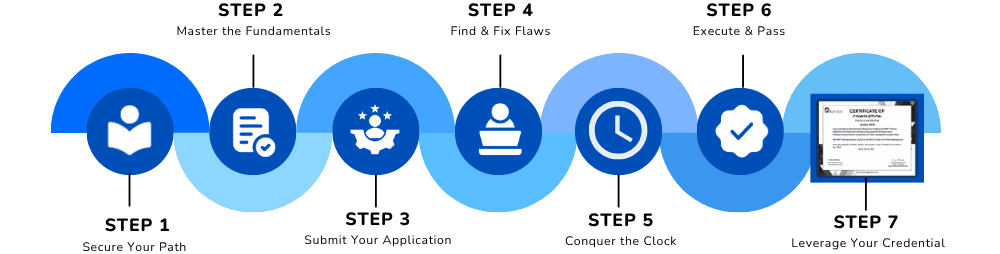
Reinforce modern JavaScript, then master TypeScript — the language of Angular.
What You Need Before You Start
Objective: To certify your ability to design, develop, test, and deploy full‑stack web applications using the MEAN stack. Candidates should have:
Variables, functions, arrays, objects, and basic asynchronous programming (callbacks, promises).
Understanding of HTML5, CSS selectors, and responsive layout concepts.
No prior TypeScript experience required — we cover it during the course.
Comprehensive MEAN stack modules – from TypeScript to cloud deployment
Arrow functions, destructuring, spread/rest, classes, modules, async/await.
Types, interfaces, classes, generics, decorators, and compiling to JavaScript.
Managing dependencies, version control basics, and Angular CLI project generation.
Create components, interpolation, property/event binding, two‑way binding with ngModel.
Structural directives (ngIf, ngFor), attribute directives, and built‑in/custom pipes.
@Input/@Output, ViewChild, lifecycle hooks (ngOnInit, ngOnChanges).
Create injectable services, share data across components, HTTP client.
Configure routes, route guards, lazy loading modules.
Build reactive forms, validation, observables, and operators (map, filter, tap).
Event loop, file system, npm scripts, and environment variables.
Routes, middleware, request/response, error handling, and API versioning.
Postman collections, unit tests with Jest, Swagger for API docs.
Set up cloud database, CRUD operations, indexing, and aggregation basics.
Define schemas, validation, virtuals, and pre/post hooks.
Embedded vs referenced documents, populate for JOIN‑like queries.
Generate access/refresh tokens, verify middleware, protect routes.
Implement social login using Passport.js, store user profiles.
Admin/user roles, route guards in Angular, back‑end permission middleware.
Manage application state predictably with Redux pattern and side effects.
Optimise CRUD operations on collections and create memoized selectors.
Integrate with APIs, cache responses, and handle real‑time updates.
Use pre‑built UI components (table, dialog, snackbar, date picker) and theming.
Create responsive layouts with Angular Flex‑Layout or CSS Grid.
Component‑level styles, SCSS integration, and Angular animations.
Build production bundles, set environment variables, and configure servers.
Host Node.js API on EC2 (with PM2) and Angular app on S3/CloudFront.
Automate testing, build, and deployment pipelines.
Build a complete CRM with user management, lead tracking, dashboard, and reports.
Create task boards, team collaboration, real‑time updates using WebSocket or polling.
Coding challenges, system design, and job interview practice for MEAN stack roles.
Lifetime Access
Real Full‑Stack Projects
Mentor Support
Practice Assignments
Certificate Preparation
Join 15,000+ successful developers who accelerated their careers with our MEAN stack training. Enterprise demand for Angular + Node.js developers continues to grow rapidly.
Limited seats available for the upcoming batch • EMI options available • 100% practical projects


Insights on AI, Data Science, Full Stack & Career
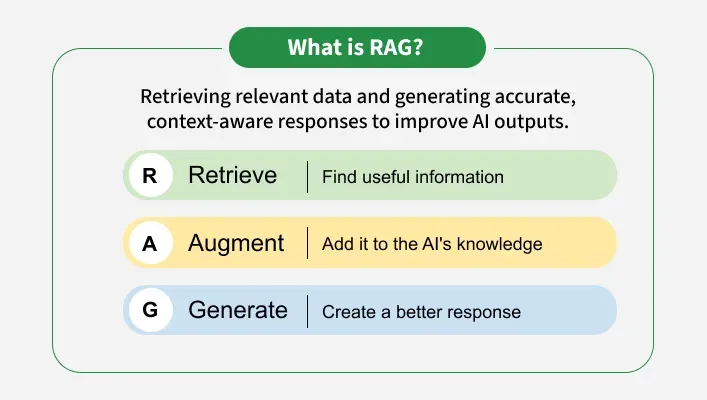
Generative AI has changed the way people interact with technology. Large Language Models (LLMs) can …
Read More →