
Master finance and controlling processes in SAP ERP. Learn to configure General Ledger (GL), Accounts Payable (AP), Accounts Receivable (AR), Asset Accounting (AA), and Controlling (CO) modules. This program prepares you for real‑world SAP FICO consultant roles with hands‑on projects and end‑to‑end implementation scenarios.



 14730 Learners
60% hands-on labs & real‑world financial scenarios — GL closing, AP/AR processing, asset accounting, cost center accounting.
Curriculum covers Enterprise Structure, FI (GL, AP, AR, AA), CO (CCA, IO, PC, PA), and integration with MM/SD.
Learn from SAP certified professionals with real implementation experience in finance and controlling.
Master financial accounting and management accounting in SAP. This program covers configuration of General Ledger, Accounts Payable, Accounts Receivable, Asset Accounting, Bank Accounting, and Controlling modules (Cost Center, Profit Center, Internal Orders, Product Costing, Profitability Analysis). Gain hands‑on experience in end‑to‑end business processes and integration with MM, SD, and PP.
✔ 60% hands-on projects • 5 real‑world financial scenarios • Month‑end and year‑end closing simulations • Official SAP-style practice exams • 24/7 SAP server access.
Enterprise structure (company, company code, business area), GL (chart of accounts, posting periods, taxes), AP (invoices, payments), AR (customer invoices, dunning), AA (asset life cycle), CO (CCA, IO, PC), integration, and financial reporting.
Basic understanding of accounting principles (debit/credit, financial statements) is recommended. No prior SAP knowledge required.
Configure SAP FICO for a manufacturing company, automate AP/AR processes, perform asset accounting, design cost center reports, and integrate with MM for material valuation.
Mock certification tests, resume review, interview preparation, and placement assistance for SAP FICO Consultant, FI Accountant, CO Analyst roles.
Tailored SAP FICO upskilling for finance teams and enterprises
Choose from FI (GL/AP/AR/AA), CO (CCA/IO/PA), or integration with MM/SD.
Hands-on practice in live SAP environments with real financial data.
Monitor progress and skill gaps with detailed analytics.
Volume discounts for teams of 10+, plus pay-as-you-go options.
Dedicated SAP FICO mentors to assist your learners anytime.
Single point of contact for seamless training delivery.

Get a custom quote for your organization's SAP training.
From Financial Accounting to Controlling & Reporting
Define company code, fiscal year, posting periods, document types, field status groups, open/close periods.
Chart of accounts (COA), account groups, general ledger master, automatic account determination.
Vendor/customer master, invoice posting, payment program, down payments, dunning, credit management.
Asset classes, depreciation keys, asset life cycle (acquisition, transfer, retirement), bank master, check management.
Standard hierarchy, cost element accounting, planning, actual posting, settlement, and reporting.
Material cost estimate, activity rates, variance analysis, CO‑PA characteristics and value fields.
Ideal Candidates for SAP FICO Certification
Designed for finance professionals and graduates with basic accounting knowledge. This program transforms you into a job‑ready SAP FICO consultant — one of the most sought‑after ERP roles globally. Average salaries for SAP FICO Consultants in India range from ₹6.5 Lakhs to ₹20+ Lakhs per year.
Your Step‑by‑Step Path to SAP FICO Expertise
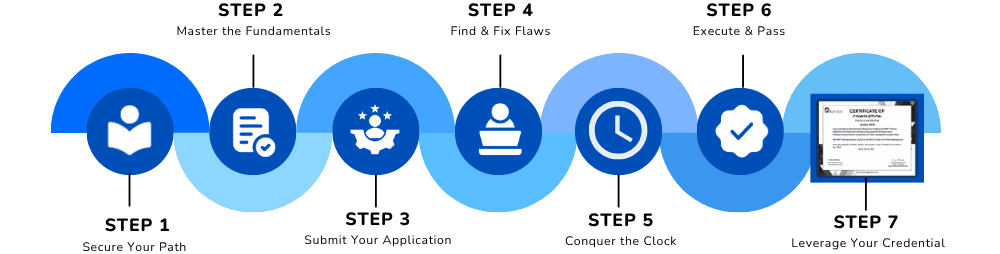
Understand SAP GUI, organizational units (company code, business area), and financial process cycles.
What You Need Before You Start
Objective: To certify your ability to configure and manage financial and controlling processes in SAP ERP. Candidates should have:
Understanding of journal entries, ledgers, financial statements, and cost concepts.
We start from SAP basics and gradually cover configuration and integration.
We provide detailed hands‑on exercises and real project scenarios.
Comprehensive SAP FICO modules – from FI configuration to CO integration
Logon, GUI, transactions, favorites, and using the Implementation Guide (IMG).
Define and assign organizational units, fiscal year variant, posting period variant.
Overview of key integration points.
Create chart of accounts (COA), account groups, and field status groups.
Create GL accounts, define document types, number ranges, posting keys, and tolerance groups.
Configure tax codes, automatic account determination for MM/SD integration.
Create account groups, number ranges, and master records for vendors and customers.
Enter vendor invoices, customer invoices, payment program configuration, dunning procedure setup.
Configure credit control area, risk categories, and down payment requests.
Define asset classes, depreciation keys, and chart of depreciation.
Acquisition, transfer, retirement, and asset explorer reporting.
Define house banks, check lots, and process electronic bank statement (EBS).
Define exchange rate types, post foreign currency revaluation, and receivable/payable reclassification.
Periodic accruals, prepayments, and closing operations.
Define financial statement version (FSV) and generate reports.
Define controlling area, assign to company code, and activate CO components.
Create primary cost elements from GL accounts, secondary cost elements.
Integration of FI to CO.
Create cost centers, cost center groups, and standard hierarchy.
Plan activity prices, post actual costs, cycle allocation (assessment, distribution).
Create internal orders, manage budget, and settle to cost centers/GL.
Calculate standard cost of finished goods, understand cost component structure.
Plan activity rates, calculate variances (input price, quantity, output).
Derive characteristics, flow of actual data from SD/FI, profitability reports.
Configure posting keys for GR/IR and inventory accounts.
Condition technique for revenue accounts, customer groups, material groups.
Create purchase order, goods receipt, invoice receipt → FI posting. Sales order, delivery, billing → CO‑PA update.
Configure enterprise structure, GL, AP, AR, AA, cost centers, internal orders, product costing, and integration with MM/SD.
Perform month‑end closing tasks, analyze profitability reports, and reconcile FI with CO.
SAP FICO certification exam question simulation, configuration challenges, and consultant interview drills.
Lifetime Access
Real Finance Projects Included
Mentor Support (SAP Experts)
Practice Assignments
Certificate Preparation
Join 14,000+ successful SAP FICO consultants who accelerated their finance careers with our industry‑focused training. SAP FICO skills are in high demand across all industries — from manufacturing to banking.
✅ Limited seats available for the upcoming batch • EMI options available • Includes raw SAP system access


Insights on AI, Data Science, Full Stack & Career
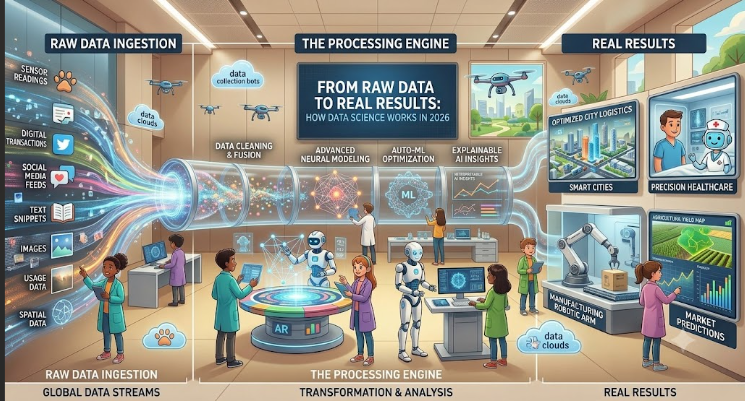
Data is everywhere. Every click, every transaction, every interaction generates a trail of informati…
Read More →
Growth feels great—until your systems start to groan under the weight of it. New customers, bigger…
Read More →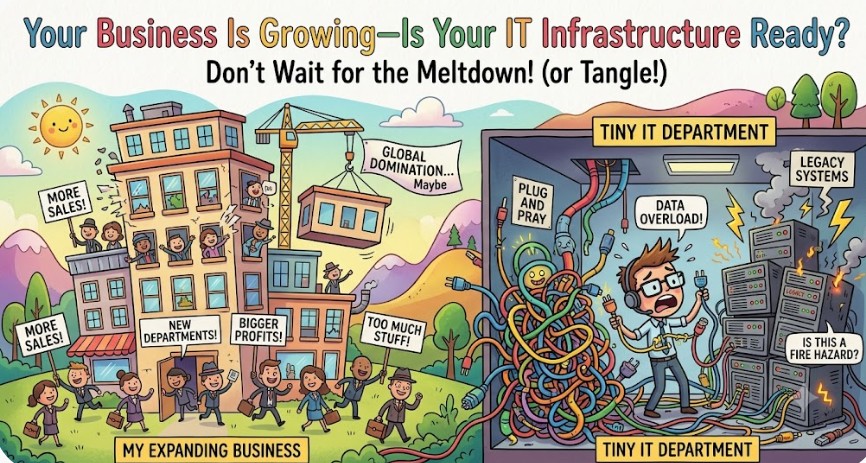
Growth feels great—until your systems start to groan under the weight of it. New customers, bigger…
Read More →